Blatant Homerism: Post-NFL draft musings
The annual NFL draft represents something close to an independent audit of college football programs. The number of players a college team sends to the big leagues signifies the consensus opinion of pro personnel departments about a college team’s ability to identify, acquire and develop prospects. It’s not scientific, but it’s the most objective evaluation you’ll find for football programs.
The festivities over the weekend in Pittsburgh suggest NFL evaluators believe the Oklahoma Sooners remain on the right track.
First, the less encouraging news from the draft: First-round picks get the biggest headlines, and OU got blanked on day one. The first Sooner didn’t leave the board until the eighth selection of the second round when the Kansas Chiefs took OU edge rusher R Mason Thomas. On a more positive note, seven OU players heard their names called over the weekend. Joining Thomas were defensive lineman Gracen Halton, offensive lineman Febechi Nwiawu, receiver Dion Burks, tight end Jaren Kanak, linebacker Kendal Daniels and defensive back Robert Spears-Jennings.
Sounds about right for last year’s team, doesn’t it? A strong group of players, but not overwhelming. However, keep in mind that OU saw a total of five players picked in the 2024 and 2025 drafts combined.
The more time that passes since Brent Venables was hired as the head coach of the Sooners in late 2021, it becomes even more clear that he took on a severely mismanaged roster. But if the past two draft classes offered proof of the dire personnel situation he inherited, this year’s list of NFL draftees shows Venables is making progress on turning the battleship around. Even though Venables hasn’t fully accomplished the mission yet, his Sooners are heading in the right direction from a talent standpoint.
This year’s NFL draft also illustrated how much tougher life is now for OU heading into the school’s third football season in the SEC. While college football pundits continue to pen essays about the fall of the SEC from its perch as the sport’s pre-eminent conference, the league’s members pumped out a record number of combined picks with 87. In other words, SEC teams accounted for a full third of the players drafted. Keep in mind that even though the Big Ten’s membership consists of two more programs, it produced about 30% fewer selections than the SEC this year.
The differences in the output between the two leagues tell a compelling story. Every SEC program had at least one player selected this year, and teams like Arkansas and Kentucky sent four players to the big leagues. Meanwhile, three B1G squads – Purdue, UCLA and Wisconsin – had zero selections. Four others – Minnesota, Nebraska, Rutgers and Maryland – saw just one of their players selected.
Consider what this means for the squads at the top of the heap in these leagues. In the regular season, Indiana, which had eight draft picks of its own, played seven teams that combined to produce one draft pick. Ohio State sent 11 players to the NFL this year and played seven teams in the regular season that combined to produce two draft picks.
It’s a cliche for a reason: Top to bottom, the teams in the SEC care more about football than their counterparts in the B1G. That’s why NFL-caliber talents are even signing up to play at schools like Arkansas and Kentucky.
The B1G clearly has its fair share of elite teams, but the teams at the top of the league have softer pockets of competition dotting their schedules. In that respect, life in the B1G works out great for the likes of Ohio State and Oregon because they get plenty of fluff in between high-profile matchups. Their counterparts in the SEC, on the other hand, have to keep their heads on a swivel more often than not.
That doesn’t make an elite B1G team like this year’s Indiana Hoosiers a counterfeit national champion – on the contrary, IU beat many good teams to earn that distinction. But navigating the 12 games required for a team to get a shot to compete for a national title will always be harder for teams in the SEC so long as that top-to-bottom disparity in talent holds up.
Allen’s Kitchen Non-confidential
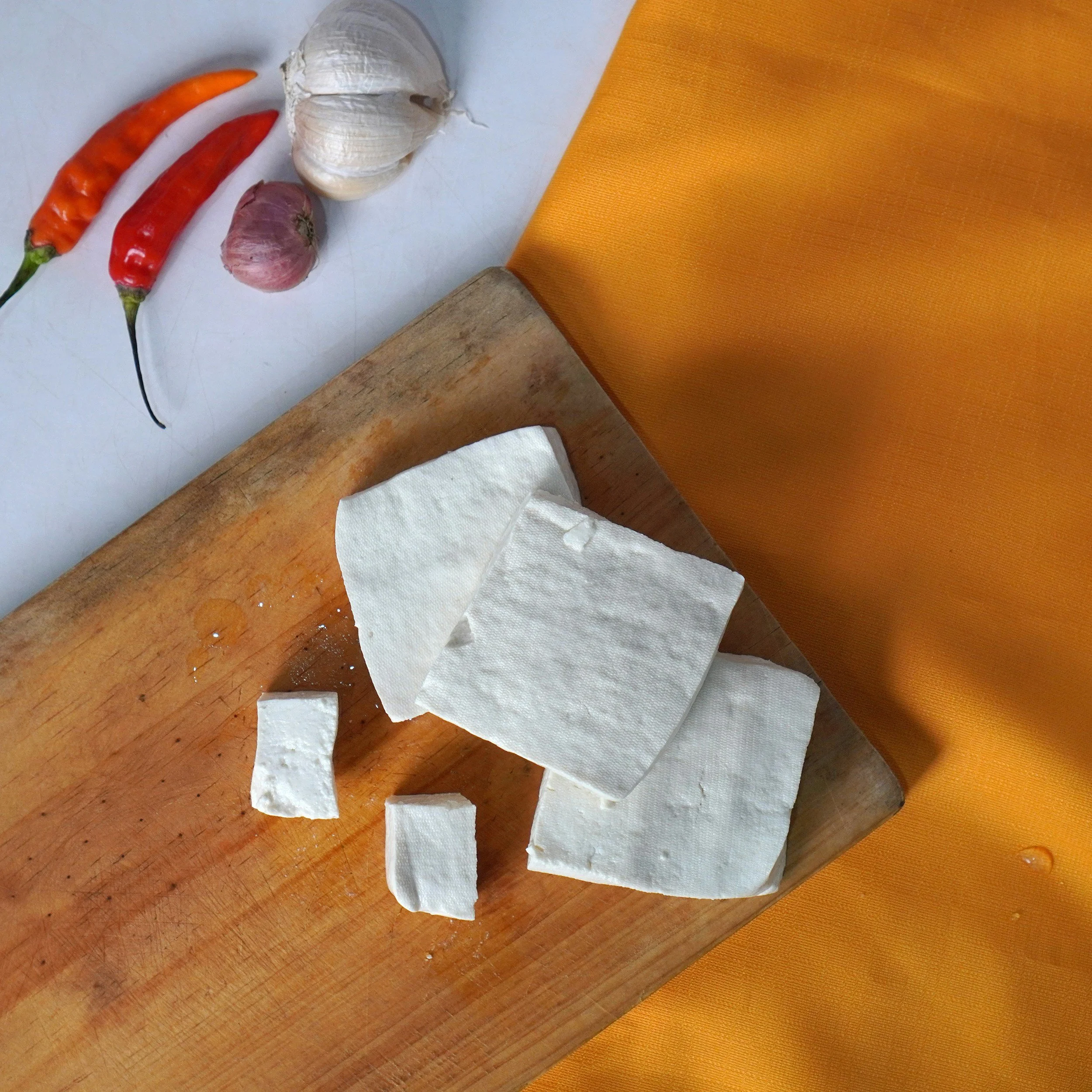
I’m as shocked as you are, but this recipe for grilled tofu from Love and Lemons is both tasty and simple.
The most important tip: Press the tofu block for no less than 30 minutes before it goes on the grill. Since I sure as hell don’t own a tofu press, I used a cast iron skillet on top of the tofu to expel the moisture from the block.
To be fair, I suspect the readers of this site would just as soon grill up a shoe as tofu. Just keep it in mind for those occasions when you’re trying to come up with something for that special vegetarian in your life.
Together We’re More: Baxter Holmes - ESPN Writer
Each month the Choctaw Nation - the title sponsor of Through the Keyhole - releases a video highlighting the lives of tribal members and how they impact their communities.
From covering rural sports for local Oklahoma high schools to writing for major media outlets like The LA Times, The Boston Globe, and ESPN, Choctaw tribal member Baxter Holmes has learned that a strong work ethic and the pursuit of constant improvement can take you anywhere.